

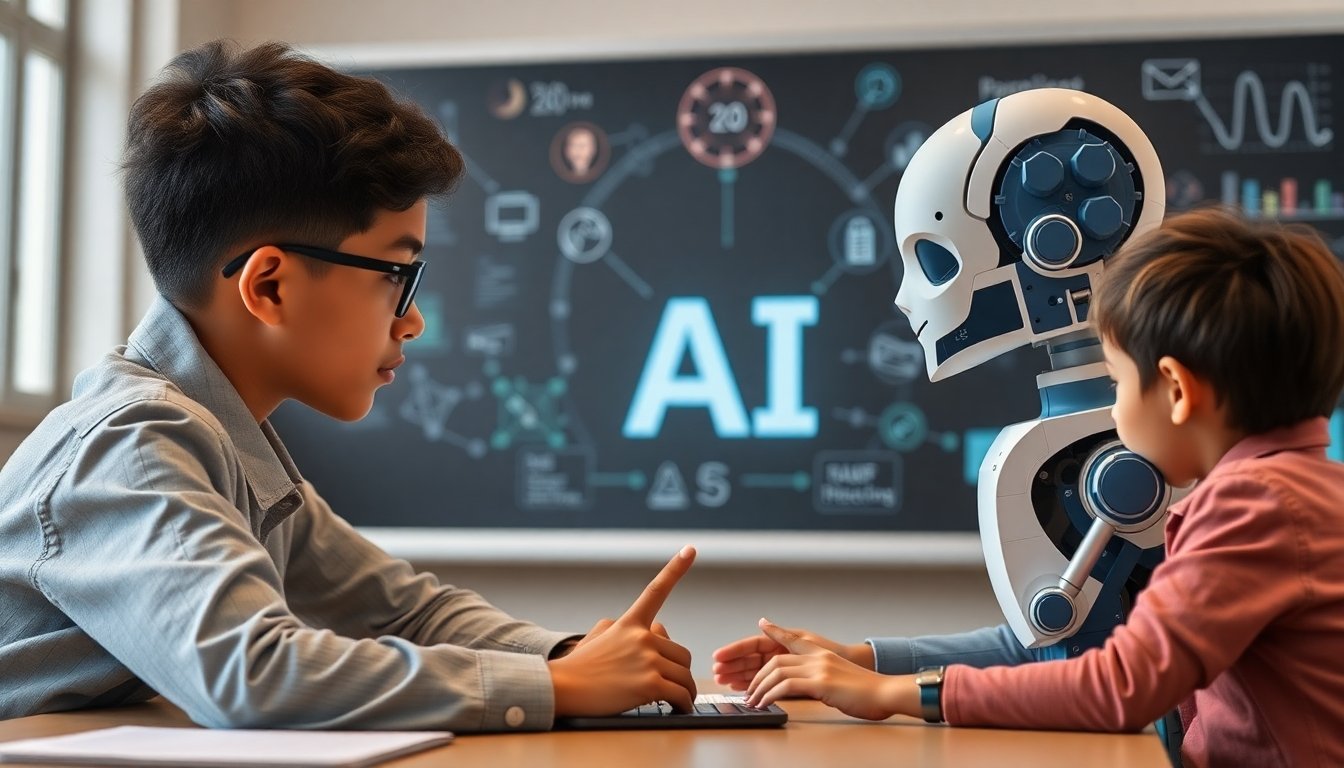
Artificial Intelligence is poised to transform education by creating personalized learning universes tailored to the needs, abilities, and interests of each student. By 2035, AI-powered educational systems will adapt dynamically to learning styles, provide instant feedback, and offer immersive experiences that go far beyond traditional classrooms. This shift promises to make learning more engaging, efficient, and accessible while empowering students to achieve their full potential.
What Is Personalized Learning Powered by AI?
Definition and Core Functionality
Personalized learning with AI refers to adaptive educational experiences that adjust in real-time based on student performance, preferences, and cognitive patterns. AI systems analyze vast amounts of data, track progress, identify strengths and weaknesses, and create individualized learning paths that optimize knowledge acquisition.
How AI Understands Students
AI uses machine learning, natural language processing, and cognitive analytics to interpret student behavior, engagement levels, and responses. By continuously updating profiles, AI can predict which teaching methods and content formats will be most effective for each learner.
Key Technologies Driving AI Education
Adaptive Learning Platforms
AI-powered platforms adjust the difficulty, pace, and content of lessons based on ongoing assessments, ensuring students are neither bored nor overwhelmed.
Intelligent Tutoring Systems
Virtual tutors powered by AI provide real-time explanations, answer questions, and guide students through problem-solving, simulating one-on-one attention from human educators.
Immersive AR and VR Learning Environments
Augmented and virtual reality combined with AI creates interactive, gamified learning universes where students can explore historical events, conduct scientific experiments, or practice real-world scenarios safely and engagingly.
Learning Analytics and Feedback Loops
AI collects and analyzes performance metrics, providing actionable insights to students, teachers, and parents. Feedback loops help refine teaching strategies, optimize learning pathways, and measure progress continuously.
How AI Will Transform Education
Hyper-Personalization for Every Student
Students will receive learning experiences tailored to their cognitive style, pace, and interests, enabling mastery of subjects more efficiently than traditional one-size-fits-all curricula.
Real-Time Skill Assessment
AI can identify gaps in knowledge instantly, suggest targeted exercises, and adapt lessons to ensure comprehension before advancing to new topics.
Lifelong Learning and Micro-Credentials
AI-driven platforms will support lifelong learning by offering personalized courses, certifications, and skill-building modules for every stage of life, from early education to career development.
Teacher Empowerment
Rather than replacing teachers, AI will augment their capabilities by automating administrative tasks, grading, and content creation, allowing educators to focus on mentorship, creativity, and emotional support.
Applications Across Educational Levels
K-12 Education
AI will provide individualized learning plans, interactive virtual classrooms, and gamified exercises that make learning fun and effective, reducing dropout rates and fostering curiosity.
Higher Education
Universities will use AI to customize curricula, suggest research topics, and support collaborative, cross-disciplinary projects, creating a more dynamic and student-centered learning environment.
Professional Training and Upskilling
Corporate training and vocational programs will benefit from AI-driven simulations, adaptive modules, and predictive learning paths, enabling employees to acquire skills rapidly and efficiently.
Benefits to Students and Educators
Increased Engagement and Motivation
AI-powered gamification, adaptive challenges, and immersive simulations maintain student interest and encourage active participation.
Improved Learning Outcomes
Personalized paths, instant feedback, and targeted support enable faster mastery of concepts and higher retention rates.
Accessibility and Inclusion
AI can provide multilingual support, accommodations for disabilities, and adaptive tools to ensure all learners have equal opportunities for success.
Data-Driven Decision Making
Educators and administrators can make informed decisions based on AI-generated insights about student performance, curriculum effectiveness, and resource allocation.
Challenges and Considerations
Privacy and Data Security
The collection of sensitive student data raises concerns about privacy and responsible usage. Robust cybersecurity measures and regulations will be essential.
Ethical and Bias Concerns
AI algorithms must be designed to avoid bias, ensuring equitable learning experiences and fair evaluation for all students.
Teacher Training and Adoption
Successful integration requires training educators to work alongside AI systems and leverage technology effectively rather than resist change.
Dependence on Technology
Over-reliance on AI may limit human creativity, social learning, and critical thinking if not balanced with traditional teaching methods.
The Future of AI Education
By 2035, personalized AI learning universes will be standard across classrooms, virtual schools, and online platforms. Students will have customized educational experiences that adapt in real-time to their needs, combining human mentorship with intelligent algorithms. This approach will empower learners to achieve their full potential, foster creativity and curiosity, and democratize access to high-quality education globally.
Conclusion
AI in education promises to create personalized, immersive, and adaptive learning universes for every student. By enhancing engagement, optimizing outcomes, and supporting lifelong learning, AI will redefine how knowledge is acquired, taught, and applied. While challenges in privacy, bias, and implementation remain, the future of education will be more intelligent, inclusive, and empowering than ever before, offering every learner the tools and guidance to thrive in a rapidly changing world.