

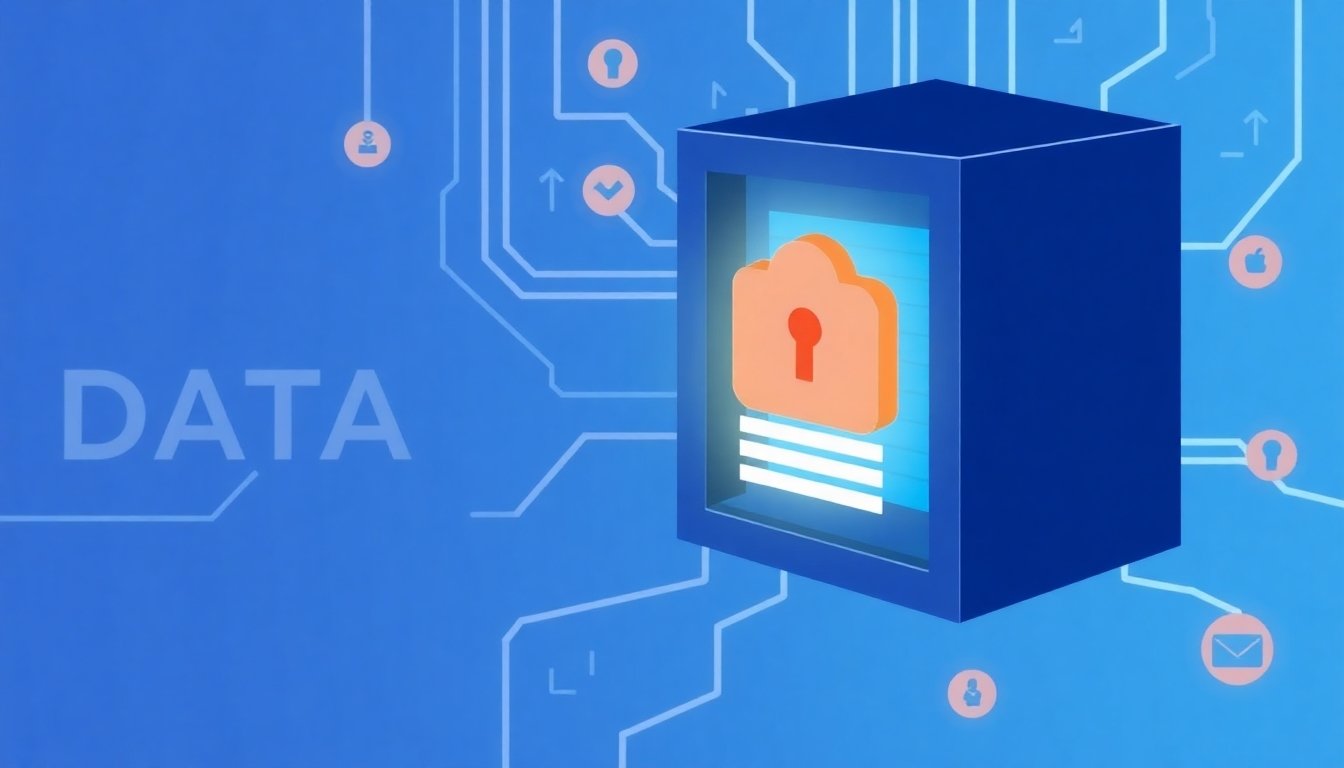
In 2025, your personal data is more valuable than ever. From online accounts to IoT devices, almost every part of your digital life produces information that companies, advertisers, and sometimes even hackers can access. A personal data vault is a secure, centralized way to store, manage, and control all your sensitive information — giving you privacy, organization, and peace of mind.
What Is a Personal Data Vault?
A personal data vault is a secure digital repository where you store private information such as:
- Passwords and two-factor recovery codes
- Personal documents (IDs, tax records, medical records)
- Financial data and cryptocurrency keys
- Notes, digital receipts, and contracts
Unlike cloud storage that is often controlled by third parties, a personal vault puts you in control. Some vaults are local, some encrypted in the cloud, and the best solutions combine both for redundancy and security.
Why You Need One in 2025
- Privacy: Reduce your exposure to data breaches and trackers
- Security: Centralized encryption protects critical information
- Organization: One location for all sensitive data makes backups and recovery easier
- Resilience: Quick access during emergencies or device loss
AI-driven threats and automated credential attacks make managing personal data carefully more important than ever.
Step 1: Choose Your Vault Approach
You can go local, cloud, or hybrid:
- Local vaults: Keep data on your PC, phone, or encrypted USB drive. Examples: Bitwarden local mode, KeePassXC.
- Cloud vaults: Store encrypted data in the cloud with zero-knowledge providers like 1Password, Bitwarden, or Proton Pass.
- Hybrid: Sync encrypted local vault with a cloud backup to combine safety and convenience.
For maximum privacy, use end-to-end encryption — only you can decrypt the data.
Step 2: Organize Your Data
Before importing files and credentials, define categories for clarity:
- Login credentials
- Financial documents
- Personal notes & journals
- Health and medical data
- Sensitive files & IDs
Tagging or folders make search and retrieval faster, especially for large vaults.
Step 3: Set Up Strong Authentication
- Use a unique master password that is long and complex
- Enable two-factor authentication (2FA) for cloud vaults or local access
- Consider a hardware security key (YubiKey, Titan Key) for maximum protection
Step 4: Encrypt Everything
- Local vaults should use AES-256 or equivalent encryption
- Cloud vaults should support end-to-end encryption so even the provider can’t read your data
- For extra security, encrypt backups separately before uploading
Step 5: Backup & Redundancy
- Keep offline backups on encrypted drives or USB sticks
- Maintain offsite backups (e.g., cloud storage with encryption) in case of theft or disaster
- Test recovery procedures periodically to ensure you can restore access
Step 6: Manage Credentials & Secrets
- Generate strong passwords with a password manager instead of reusing old ones
- Regularly rotate passwords for sensitive accounts
- Use vault notes to store recovery keys, secret questions, or multi-factor backup codes
Step 7: Automate Smart Security
- Enable automatic vault locking after inactivity
- Configure alerts for suspicious login attempts if using cloud vaults
- Use AI-driven monitoring for credential leaks and exposure alerts
Step 8: Control Access
- Keep vault devices physically secure
- Limit sharing — only trusted individuals should access critical info
- Use time-limited sharing if collaboration is required
Step 9: Extend to IoT & Digital Identity
- Store IoT device credentials securely
- Maintain a record of API keys, digital certificates, and blockchain wallets
- Plan for digital legacy: decide how access will be managed if something happens to you
Step 10: Keep Your Vault Updated
- Regularly review and remove outdated or compromised data
- Update encryption software and apps
- Audit access logs if your vault supports them
Final Thoughts
A personal data vault in 2025 isn’t just about security — it’s about control, organization, and peace of mind. With the right setup, you can store everything from passwords to sensitive documents in one encrypted space, protect your privacy, and be prepared for digital emergencies. Whether local, cloud, or hybrid, a personal vault is the foundation of a safe and resilient digital life.
1 Comment
Could the principles of haute cuisine, as outlined in the 2-Minute Rule, be applied to the creation of a unique watch design, blending gastronomic aesthetics with timekeeping precision?
Сюжеты с самым неожиданным финалом! Только для тех, кто не боится эмоций район сочхо онлайн