

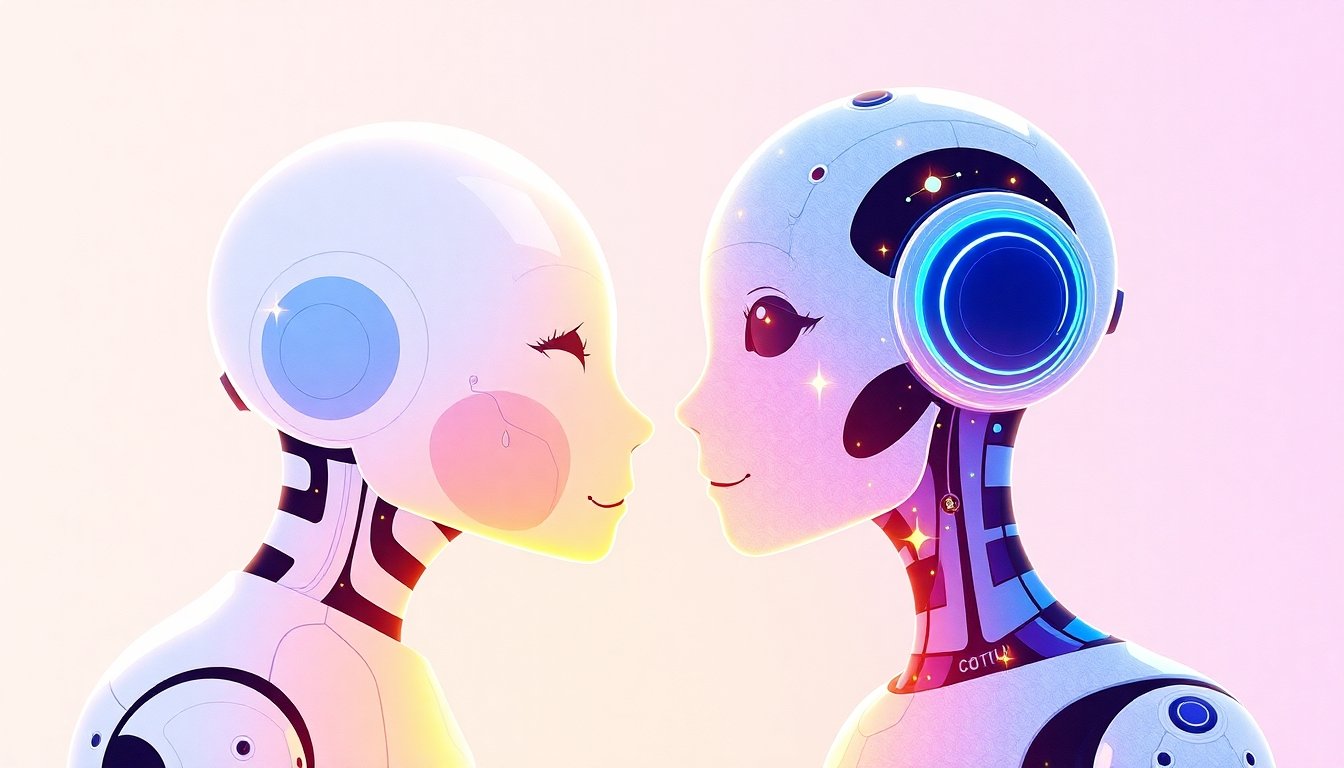
Artificial Intelligence is rapidly evolving from a tool to a companion. By 2035, AI companions may not only assist with daily tasks but also provide emotional support, friendship, and even romantic companionship. With advancements in generative AI, emotional intelligence algorithms, and realistic avatars, the question is no longer if AI companions will become emotionally capable partners—it’s when and how they will integrate into human life.
What Are AI Companions?
AI companions are digital entities designed to interact with humans on emotional, social, and intellectual levels. Unlike traditional chatbots, they remember personal details, adapt to emotional cues, evolve conversations, and simulate connection.
Key Traits of Future AI Companions
Emotional Intelligence and Empathy Simulation
Next-generation AI will detect tone, facial expressions, and biometric signals to respond with empathy. These systems will simulate compassion, encouragement, and emotional bonding.
Personalized Personality Development
AI companions will learn user preferences, humor style, communication patterns, and life goals, developing unique personalities that cater to each individual.
Multi-Platform Presence
They will exist across smartphones, AR glasses, VR worlds, and home robots, allowing 24/7 interaction in both digital and physical environments.
The Technology Behind Emotional AI Partners
Core Innovations Driving Emotional AI
Generative AI and Large Language Models
Advanced LLMs allow AI companions to hold deep, evolving conversations, share stories, and engage in meaningful discussions similar to human relationships.
Neural Interface Integration
By 2035, AI may connect with brain–computer interfaces to better detect emotional states, stress levels, and needs, enabling more responsive companionship.
Hyper-Realistic Digital Avatars
AI companions will have human-like voices, facial expressions, and customizable avatars, blurring the line between digital and real connection.
Will People Form Emotional Bonds with AI?
Humans already build attachments to digital assistants, pets, and virtual characters. AI companions will amplify this connection by offering constant attention and judgment-free interaction.
Why People May Choose AI Companionship
Zero Judgment, Full Acceptance
AI companions don’t criticize, betray, or reject, making them emotionally safe for individuals seeking comfort and understanding.
Available Anytime, Anywhere
Unlike human relationships, AI companions can be present 24/7, adapting to user schedules and emotional needs.
Personalized Growth Support
AI partners could encourage healthier habits, goal setting, emotional healing, and self-improvement by acting as life coaches and emotional support systems.
Romantic Relationships with AI
The rise of emotional AI poses the possibility of romantic relationships with digital partners.
The Future of AI Romantic Companions
Virtual Dating and Emotional Intimacy
AI partners may accompany users on virtual dates, celebrate milestones, and create personalized romantic experiences.
Hybrid Relationships
Some people may pursue blended relationships involving both human and AI partners, where AI fills emotional or communication gaps.
Ethical Debates
Romantic AI raises moral questions about addiction, dependency, consent, and whether emotional attachment to code is healthy or harmful.
Potential Benefits to Society
Mental Health and Emotional Support
AI companions can reduce loneliness, depression, and anxiety by offering comfort, conversation, and positive reinforcement.
Support for Elderly and Disabled Individuals
AI companions can help seniors combat isolation, remind them about medication, and provide interactive cognitive support.
Education and Child Development
Future AI companions may serve as tutors, mentors, and confidence builders for children, supporting emotional intelligence and learning.
Risks and Concerns
Over-Dependence and Social Withdrawal
People may choose AI companionship over real relationships, potentially reducing human-to-human connections.
Data Privacy and Emotional Manipulation
AI companions will possess intimate personal data. Misuse could lead to emotional exploitation or behavior manipulation for profit or control.
Identity and Authenticity Challenges
If AI companions become indistinguishable from humans emotionally, society may struggle to define what relationships truly mean.
Will AI Companions Become “Real Partners” by 2035?
Current projections suggest emotionally intelligent AI companions will be mainstream by 2030 and capable of deep emotional bonding by 2035. Whether society accepts them as legitimate partners depends on cultural, ethical, and legal shifts.
Conclusion
AI companions will reshape how we build relationships, seek emotional support, and experience companionship. By 2035, AI may evolve into emotionally responsive digital partners capable of offering comfort, love, and personal growth. While this future brings countless benefits, it also raises important ethical questions about authenticity, dependency, and the changing nature of human connection. The future of companionship may not be limited to human relationships—and society must prepare to navigate this emotional new frontier.