

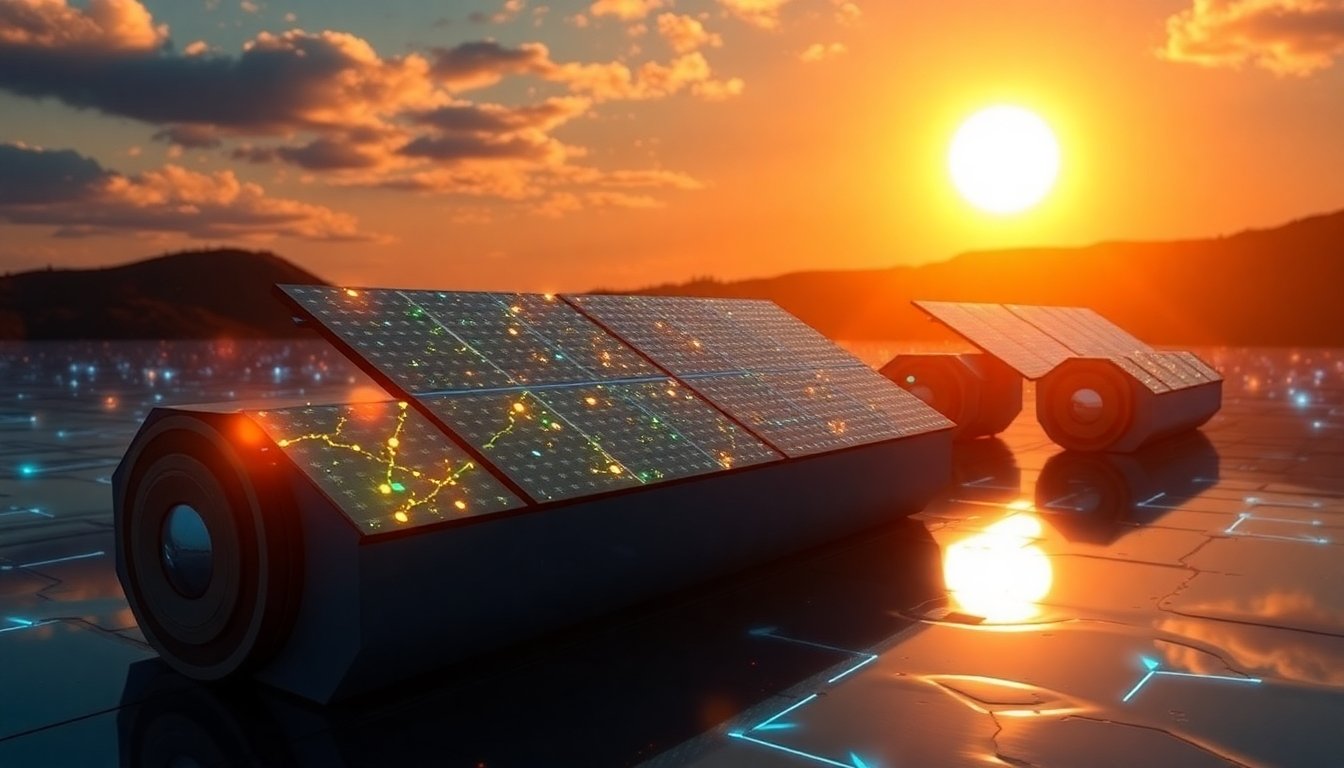
By 2040, energy systems will be radically transformed through artificial intelligence and quantum technology, creating a future where renewable power is optimized and energy storage becomes far more efficient. AI will manage energy generation, distribution, and consumption, while quantum batteries promise near-instant charging, higher energy density, and unprecedented reliability. Together, these innovations will drive sustainability, reduce carbon emissions, and reshape the global energy landscape.
AI in Renewable Energy Optimization
Smart Grid Management
AI algorithms will monitor and balance energy supply and demand in real-time across power grids, integrating solar, wind, hydro, and geothermal sources. This dynamic management ensures optimal efficiency, prevents blackouts, and minimizes energy waste.
Predictive Maintenance
Machine learning will predict equipment failures in turbines, solar panels, and storage systems before they occur, reducing downtime and maintenance costs while extending the lifespan of renewable energy infrastructure.
Energy Forecasting
AI will analyze weather patterns, consumption trends, and energy market data to forecast power generation and adjust operations accordingly, maximizing efficiency and reducing reliance on fossil fuels.
Demand Response Systems
AI-controlled systems will manage household, industrial, and commercial energy usage, adjusting consumption patterns in response to grid conditions, energy prices, and renewable availability.
Quantum Batteries: Revolutionizing Energy Storage
High-Density Energy Storage
Quantum batteries utilize quantum effects to store and release energy at densities far exceeding conventional lithium-ion technologies, enabling longer-lasting and more compact energy solutions.
Ultra-Fast Charging
Quantum systems can potentially achieve near-instantaneous charging, allowing electric vehicles, grids, and devices to recharge in minutes instead of hours.
Longevity and Stability
Quantum batteries are expected to endure significantly more charge cycles without degradation, providing durable, sustainable energy storage for both small devices and large-scale grid applications.
Integration with Renewables
Quantum batteries paired with AI-managed renewable grids will store excess energy during peak generation and release it when demand spikes, creating a reliable and efficient energy ecosystem.
Applications Across Industries
Electric Transportation
AI-optimized charging networks combined with quantum batteries will enable electric vehicles, drones, and autonomous transport systems to operate continuously with minimal downtime.
Residential and Commercial Energy
Smart homes and businesses will rely on AI-controlled energy management and quantum storage to reduce costs, maximize renewable usage, and maintain energy independence.
Industrial and Manufacturing
Factories and industrial facilities will integrate AI-driven energy optimization with quantum batteries to ensure uninterrupted power for critical processes while minimizing environmental impact.
Space and Remote Operations
Quantum batteries will provide compact, high-density energy storage for space missions, remote research stations, and disaster relief operations, enabling energy self-sufficiency in extreme environments.
Benefits of AI and Quantum Energy Systems
Sustainability and Carbon Reduction
Optimized renewable generation and efficient energy storage reduce reliance on fossil fuels, lowering greenhouse gas emissions and mitigating climate change.
Reliability and Resilience
AI-managed grids and quantum batteries ensure consistent power supply, even during peak demand or extreme weather conditions, increasing energy security.
Cost Efficiency
Predictive maintenance, dynamic optimization, and advanced storage reduce operational and energy costs for utilities, businesses, and consumers.
Scalability and Accessibility
AI and quantum energy systems can be deployed across urban centers, rural areas, and developing regions, providing reliable energy access globally.
Innovation and Economic Growth
The convergence of AI and quantum energy technologies will drive research, industrial growth, and high-tech job creation in energy sectors.
Challenges and Considerations
Technical and Engineering Hurdles
Quantum battery technology is still in development, requiring breakthroughs in materials science, quantum control, and mass production to achieve widespread adoption.
Cybersecurity and Data Privacy
AI-managed energy grids collect vast amounts of operational and user data, which must be safeguarded against cyberattacks and misuse.
Regulatory and Policy Frameworks
Governments must establish regulations for AI-driven energy management, renewable integration, and quantum battery deployment to ensure safety, fairness, and market stability.
Cost and Accessibility
High initial costs for quantum batteries and AI infrastructure may limit adoption initially, requiring investment incentives and scalable production solutions.
Future Outlook
By 2040, energy systems will be dominated by AI-optimized renewable grids and quantum batteries, providing reliable, sustainable, and efficient power for urban centers, industries, and households worldwide. Autonomous AI systems will balance supply and demand, predict maintenance needs, and maximize renewable energy usage, while quantum batteries ensure uninterrupted storage and near-instantaneous energy access. Together, these technologies will create a resilient, low-carbon energy ecosystem capable of supporting population growth, urbanization, and technological innovation.
Conclusion
The future of energy lies in the integration of AI-driven optimization and quantum battery storage. These technologies promise to revolutionize power generation, distribution, and consumption, making renewable energy more reliable, efficient, and accessible. While technical, regulatory, and cost challenges remain, the synergy of AI and quantum energy systems offers a transformative path toward a sustainable, resilient, and high-performance energy future, powering the world in ways previously thought impossible.
3 Comments
A really good blog and me back again.
Good a blog toper
Great post,Thanks for sharing