

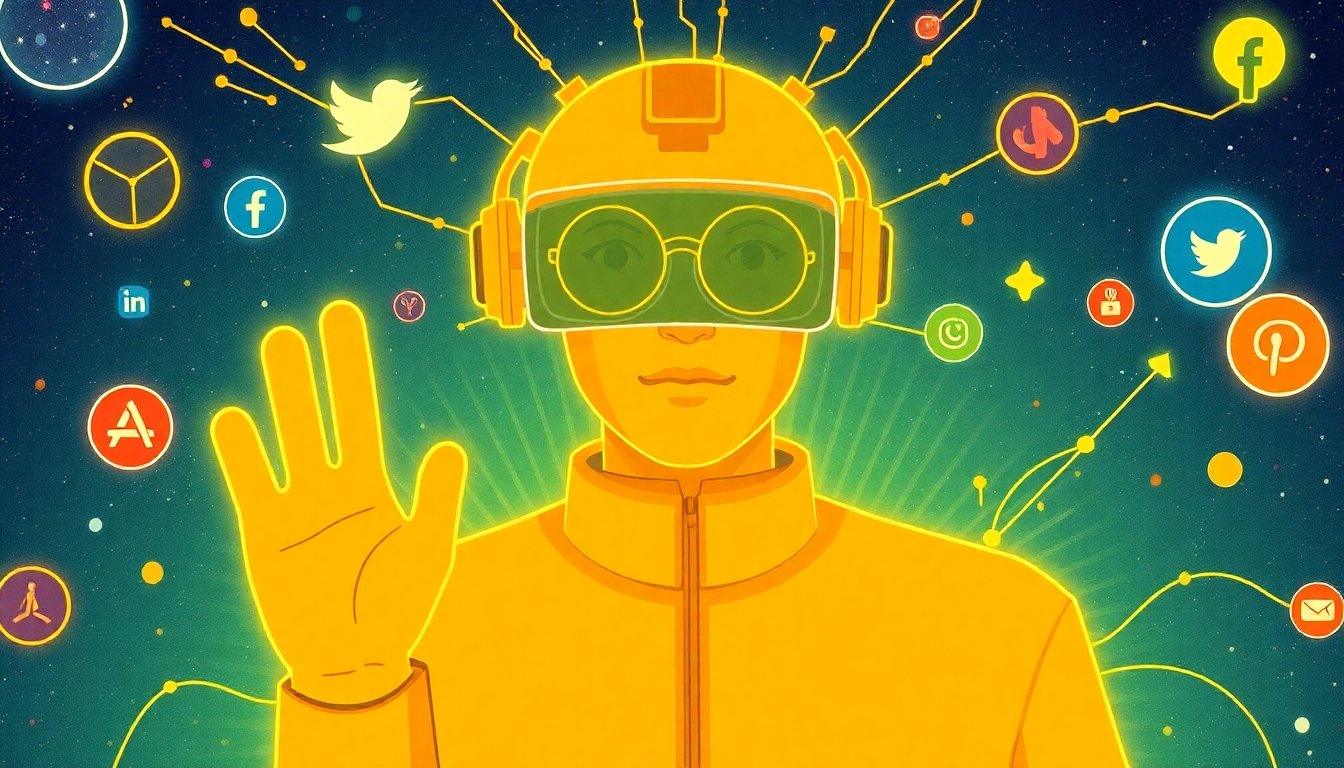
By 2035, social media will evolve far beyond text posts, images, and video feeds into fully immersive virtual universes powered by artificial intelligence. AI-based identity systems and adaptive virtual worlds will redefine how humans interact, create, and communicate online. Social media will no longer be a static platform but a living ecosystem that responds to individual behavior, emotions, and social dynamics, offering personalized experiences that blend entertainment, commerce, learning, and social connection.
AI-Powered Identity Systems
Digital Avatars and Personalized Profiles
AI will create hyper-realistic avatars that mimic user behavior, preferences, and emotional expression. These avatars will serve as digital representations of individuals across multiple virtual universes, enabling consistent and secure identity verification.
Behavioral Authentication
Instead of passwords, AI will authenticate users based on behavioral biometrics, including typing patterns, facial expressions, and even emotional cues. This ensures security while creating seamless access to virtual platforms.
Reputation and Trust Scores
AI will manage dynamic trust and reputation scores derived from interactions, content creation, and community engagement. These scores will influence access to resources, privileges, and social standing within virtual communities.
Virtual Universes and Immersive Experiences
AI-Generated Worlds
Entire virtual universes will be generated and adapted by AI in real-time, responding to user actions, social interactions, and collective behavior patterns. Each experience will be unique and personalized.
Social Interaction in Virtual Spaces
Users will interact with friends, colleagues, and AI-generated entities in 3D environments, attend virtual events, collaborate on projects, and form communities that extend beyond geographical constraints.
Gamification and Engagement
AI will dynamically create challenges, rewards, and interactive experiences based on user behavior and preferences, increasing engagement and maintaining long-term interest in social media platforms.
Applications Across Industries
Entertainment and Content Creation
AI-generated characters, music, movies, and stories will allow users to co-create content in virtual worlds. Social media platforms will become interactive studios where creativity is collaborative and immersive.
E-Commerce and Virtual Marketplaces
Virtual universes will host AI-powered marketplaces where users can buy, sell, and trade digital goods, NFTs, and virtual services, with AI optimizing pricing, recommendations, and personalized offers.
Education and Professional Networking
AI-driven virtual campuses and workplaces will enable learning, skill development, and networking in interactive environments. Avatars can attend lectures, meetings, or conferences across the globe in real-time.
Mental Health and Social Support
AI companions within virtual spaces can provide emotional support, facilitate therapy sessions, and monitor well-being, offering personalized mental health resources.
Benefits of AI-Based Social Media
Hyper-Personalization
Every user experiences social media tailored to their interests, emotional state, and social preferences, enhancing engagement and satisfaction.
Enhanced Security and Privacy
Behavioral authentication and AI-managed identity systems reduce the risk of hacking, identity theft, and online fraud.
Increased Accessibility
AI can translate languages in real-time, provide adaptive interfaces for disabilities, and ensure that virtual experiences are inclusive and universally accessible.
Continuous Innovation
AI-generated content and virtual universes ensure that social media experiences remain dynamic, ever-changing, and creative.
Challenges and Ethical Considerations
Data Privacy and Ownership
The collection of biometric, behavioral, and interaction data raises critical concerns about consent, storage, and ownership of personal information.
Digital Addiction
Hyper-personalized AI experiences may increase screen time and dependency, requiring ethical guidelines and design safeguards.
Misrepresentation and Deepfakes
AI-generated avatars and content could be manipulated to deceive, spread misinformation, or impersonate individuals, challenging trust and verification mechanisms.
Social Equity and Accessibility
Unequal access to advanced virtual universes and AI identity systems may exacerbate existing digital divides, creating a gap between privileged and marginalized communities.
Future Outlook
By 2035, social media will become a blend of AI-driven virtual universes and secure, adaptive identity systems. Users will live, work, socialize, and create in immersive environments tailored to their cognitive and emotional profiles. AI will continually evolve platforms, generate dynamic content, and mediate interactions, transforming social media into a living, intelligent ecosystem. Governance, ethics, and security frameworks will be essential to ensure that these platforms enhance human connection rather than compromise privacy, trust, or mental health.
Conclusion
The future of social media lies in AI-based identity and virtual universes, creating personalized, immersive, and dynamic online experiences. By integrating AI-driven avatars, adaptive content, and interactive virtual worlds, platforms will revolutionize entertainment, commerce, education, and social interaction. While challenges in privacy, ethics, and accessibility remain, the next generation of social media promises a universe where human connection, creativity, and collaboration are more intelligent, engaging, and expansive than ever before.