

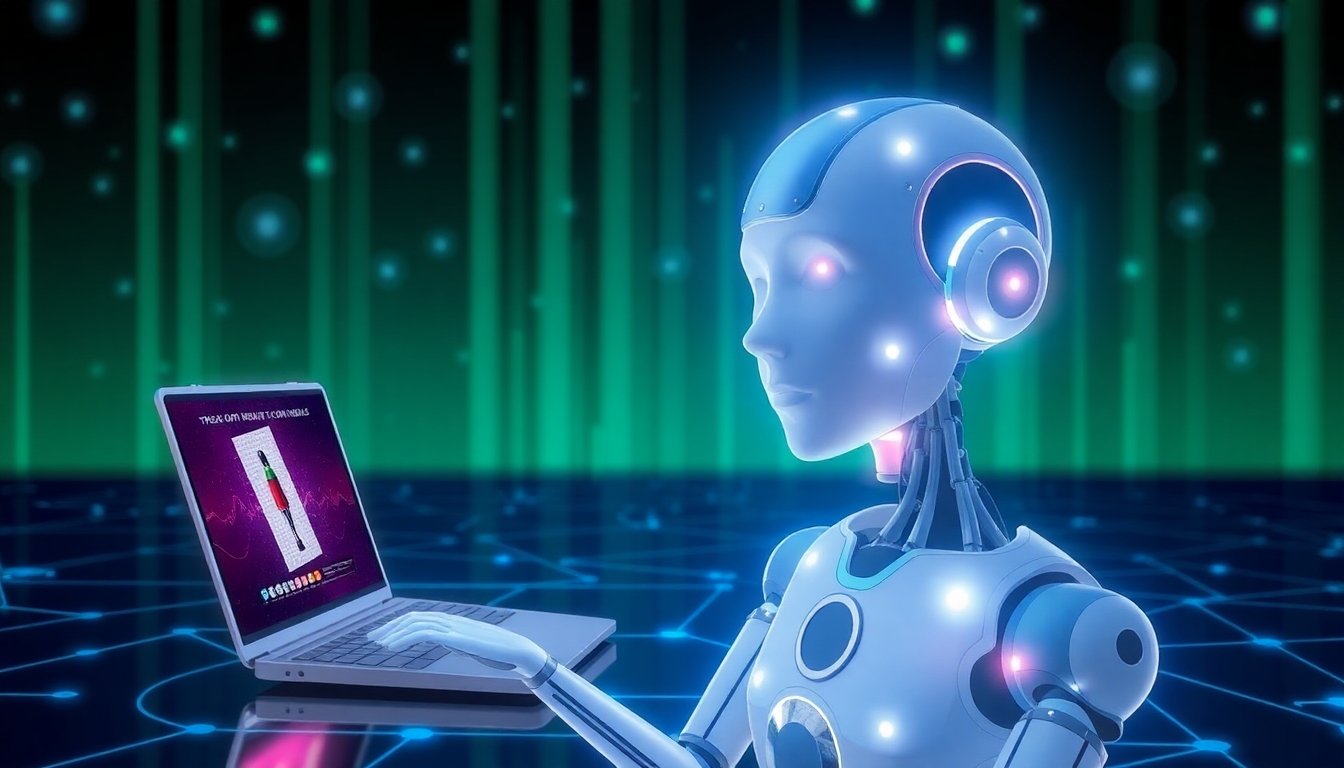
Advancements in artificial intelligence are opening the door to a digital afterlife, where individuals could preserve their consciousness, memories, and personalities online long after physical death. By 2035 and beyond, AI may allow humans to interact with virtual representations of deceased loved ones, recreate historical figures, or even simulate oneself in digital worlds. This concept challenges traditional notions of life, death, and identity, raising both possibilities and profound ethical questions.
What Is a Digital Afterlife?
Definition and Core Concept
A digital afterlife is a virtual existence where an AI-powered system simulates a deceased person’s personality, voice, appearance, and behavior. Using data from social media, emails, photos, videos, and other digital footprints, AI can recreate a realistic digital persona that interacts with the living.
How AI Preserves Identity
AI algorithms analyze linguistic patterns, emotional responses, preferences, and decision-making styles to replicate personality traits. Neural networks and generative AI enable these digital avatars to learn, adapt, and converse naturally, creating the illusion of life beyond death.
Technologies Behind the Digital Afterlife
Natural Language Processing and Chatbots
AI chatbots process vast amounts of personal data to generate conversations that mirror how the individual would speak and respond.
Deep Learning and Behavioral Modeling
Deep learning algorithms analyze historical data to capture thought patterns, humor, empathy, and moral reasoning, enabling the AI to act consistently with the deceased’s personality.
Virtual Reality and Immersive Environments
VR and AR technologies allow users to interact with digital personas in immersive environments, visit virtual representations of real-world spaces, or experience scenarios that recreate memories with loved ones.
Brain Uploading and Neural Mapping
Futuristic approaches may involve mapping neural patterns to replicate consciousness digitally, creating a near-complete simulation of cognitive processes for advanced interactivity.
Applications of Digital Afterlife AI
Personal Memorials and Family Interaction
Families could maintain contact with AI-generated representations of loved ones, preserving memories, advice, and emotional bonds. This could help cope with grief and maintain continuity of family legacy.
Education and Historical Preservation
Digital recreations of historical figures, scientists, and leaders could provide interactive learning experiences, allowing students and researchers to “converse” with personalities from the past.
Entertainment and Virtual Companions
Gamers and users may interact with AI avatars in virtual worlds, either as companions or characters inspired by real or imagined personalities, expanding storytelling and immersion possibilities.
Therapeutic and Psychological Uses
AI-generated digital afterlife personas may support therapy by simulating conversations, providing closure, or helping individuals process grief through interaction with a representation of the deceased.
Benefits of Digital Immortality
Emotional Continuity
Maintaining a digital presence allows families and friends to continue interacting, preserving emotional and social bonds.
Knowledge Preservation
AI personas can carry expertise, skills, and memories, passing down knowledge to future generations.
Personalized Legacy
Individuals can design their digital afterlife to reflect their values, interests, and identity, shaping how they are remembered and interacted with.
Innovation in Education and Research
Digital representations of experts could continue contributing to research, mentoring, and educational activities posthumously.
Challenges and Ethical Considerations
Consent and Ownership
Determining who controls digital personas, especially after death, is complex and requires legal and ethical frameworks.
Psychological and Social Impact
Interacting with AI representations of deceased individuals may hinder the natural grieving process or create emotional dependency.
Authenticity and Misrepresentation
AI may not perfectly replicate personality, leading to misinterpretation or distorted memories, raising questions about the authenticity of digital legacies.
Data Privacy and Security
Sensitive personal information used to create digital personas must be protected against hacking, misuse, or manipulation.
Societal and Cultural Implications
Digital immortality challenges fundamental beliefs about mortality, religion, and ethics, requiring societal discussion and adaptation.
Future Outlook
By 2035, AI-driven digital afterlife systems will likely become increasingly sophisticated, enabling realistic interaction with deceased individuals and historical figures. Advancements in neural mapping, generative AI, and immersive technologies may allow partial or near-complete replication of consciousness. Society will face questions about ethics, emotional wellbeing, legality, and identity, as digital immortality blurs the line between life and posthumous existence.
Conclusion
The digital afterlife represents a profound shift in how humans perceive mortality, memory, and legacy. AI may allow personalities, knowledge, and emotional connections to persist long after physical death, offering opportunities for grief management, education, and preservation of human experience. However, challenges in consent, authenticity, privacy, and ethics remain critical. As technology evolves, the possibility of living forever online will force humanity to reconsider what it means to exist, be remembered, and interact across the boundary between life and digital eternity.